

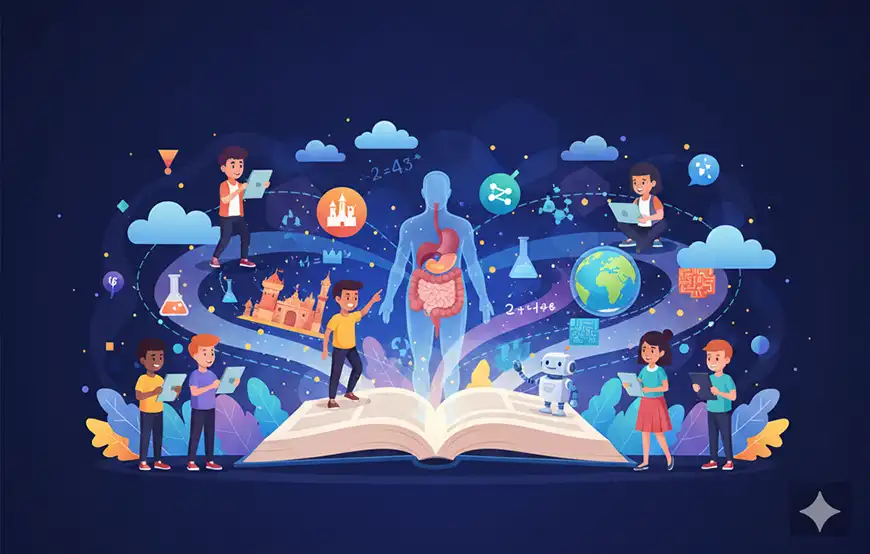
So, how exactly is animation playing a bigger role in your education and future training? Let’s dive in:
Bringing Abstract Concepts to Life:
Imagine trying to understand the human digestive system with only text—it’s dull and confusing. Now imagine it explained through an animated journey of food moving through the body. This is the same principle used by students preparing for a career in animation, where they learn to bring science, math, and history concepts alive through motion graphics and 3D design.
Boosting Engagement and Motivation:
Animation injects fun and excitement into learning. Animated characters, interactive scenarios, and visually appealing graphics can capture your attention and keep you hooked. Platforms like Animation World Network also showcase how global educators use animation to boost classroom engagement.
Catering to Different Learning Styles:
We all learn in different ways. Some of us are visual learners, others are auditory, and some learn best by doing. Animation cleverly combines visual and sometimes auditory elements, making information more accessible to a wider range of learners. It can break down complex information into smaller, digestible chunks, making it easier for everyone to follow along.
Some learners absorb information visually, while others prefer hands-on approaches. Animation blends both, creating a balanced, interactive experience. You can also experiment with UI/UX in learning, ensuring that design elements make learning accessible to everyone.
Enhancing Retention and Recall:
Think about it – you’re more likely to remember a vivid video clip than a page of text. Animation helps solidify information in your memory by creating strong visual associations. When you can see a concept in action, it becomes more memorable and easier to recall later on, whether it’s for an exam or applying that knowledge in a real-world scenario.
Making Learning Interactive and Immersive:
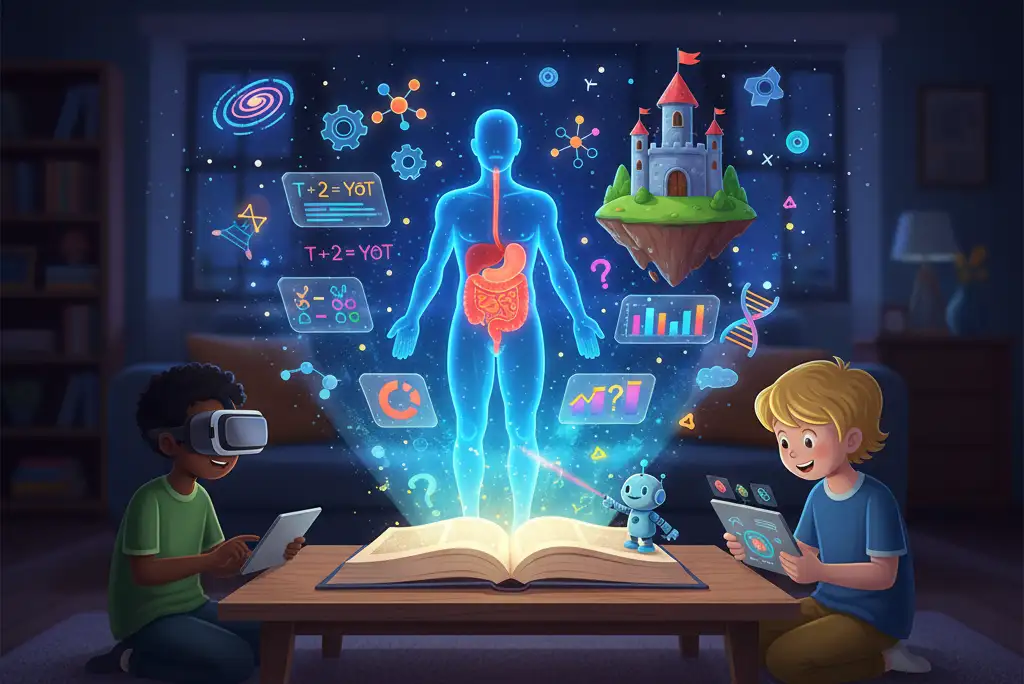
Modern animation techniques are paving the way for interactive learning experiences. Imagine simulations where you can manipulate animated molecules in chemistry or explore historical events through interactive animated timelines. This hands-on approach fosters deeper understanding and critical thinking skills.
Beyond the Classroom: Animation in Training
The benefits of animation extend far beyond your school years. In the professional world, animation is being used for:
- Safety Training: Animated scenarios can demonstrate potential hazards and safe work practices in a clear and engaging way.
- Software Tutorials: Complex software interfaces and workflows become much easier to understand through animated demonstrations.
- Product Demonstrations: Companies use animation to showcase how their products work in an engaging and informative manner.
- Onboarding New Employees: Animated presentations can make the onboarding process more welcoming and easier to digest.
In workplaces, animation powers software tutorials, onboarding training, and product demos. Professionals use it to teach complex workflows more clearly. If you want to enter this field, you can apply for animation courses in Pune and get industry-ready skills. At the same time, aspiring professionals can explore additional global learning resources like Coursera’s animation courses .
The Future is Animated!
As technology continues to evolve, we can expect animation to play an even bigger role in education and training. From personalized learning experiences to immersive virtual reality environments, animation has the potential to revolutionize the way we acquire knowledge and skills.
So, the next time you see an animated video in class or during a training session, remember that it’s not just a fun distraction. It’s a powerful tool designed to help you learn, understand, and remember information more effectively. Embrace it – the world of learning is becoming increasingly animated, and that’s a really exciting thing!
What are your thoughts on using animation in learning? Share your experiences in the comments below!