

1. Introduction
2. The evolution of video editing techniques
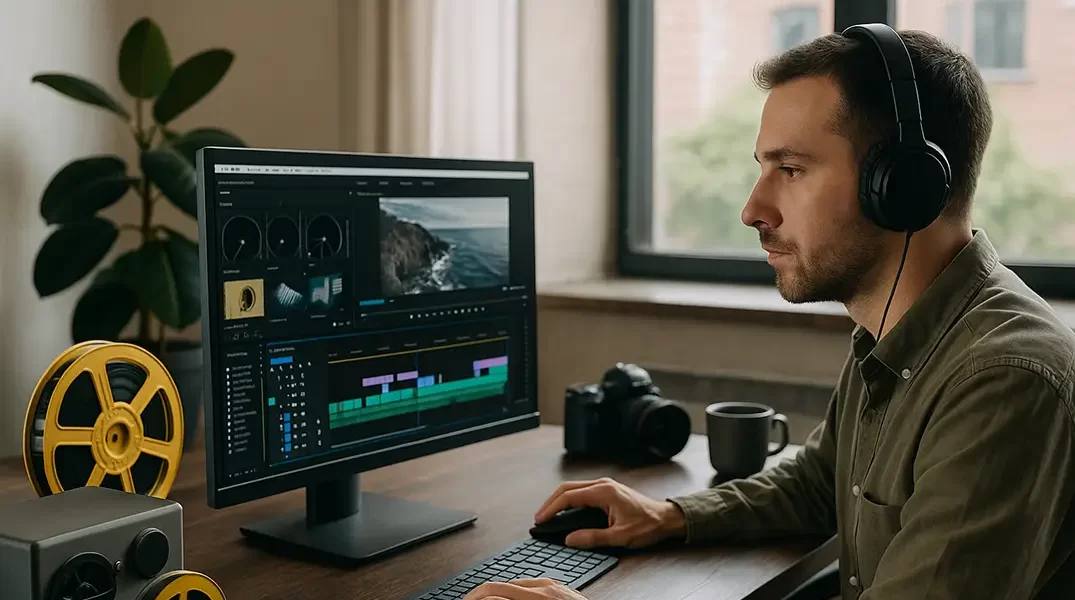
Over the years, video editing techniques have evolved significantly as technology has advanced. In the past, film editing involved physically cutting and splicing film reels together, a tedious and time-consuming process. However, with the emergence of digital technology, video editing has become much more efficient and flexible.
One of the most notable changes in video editing is the shift from linear editing to non-linear editing. Linear editing requires editing footage in a sequential manner, while non-linear editing allows editors to manipulate footage in any order, making the editing process more streamlined and efficient.
Additionally, digital technology has also introduced various software and tools that enhance the editing process. Editing software, such as Adobe Premiere Pro and Final Cut Pro, provide editors with a multitude of effects and options to craft their vision.
The evolution of video editing techniques has not only revolutionized the field, but also opened up new opportunities for creative expression. In the next section, we will delve deeper into the benefits and challenges that this digital transformation has brought to video editing professionals. Stay tuned!

3. The advantages of digital video editing
The digital transformation of video editing has brought numerous advantages to professionals in the field. One of the most significant benefits is the increased flexibility and efficiency that digital tools offer. With non-linear editing, editors have the freedom to manipulate footage in any order, allowing for more creative and dynamic storytelling.
Furthermore, digital editing software provides a wide range of effects and options to enhance the visual and auditory aspects of a video. These tools enable editors to add graphics, transitions, and special effects, elevating the overall quality of the final product.
Another advantage of digital video editing is the ability to easily collaborate and share projects. With the internet and cloud-based platforms, editors can work together remotely, exchange feedback, and make real-time adjustments, eliminating the need for physical presence.
The digital transformation has not only improved the editing process but also opened up new possibilities for creativity and exploration. In the next section, we will discuss the challenges that video editing professionals face in this digital era and how they can overcome them to deliver exceptional content. Stay tuned!
4. The challenges faced during the transition from film to digital
While the digital transformation of video editing has undoubtedly revolutionized the industry, it has not been without its challenges. For professionals accustomed to traditional film editing techniques, adapting to digital tools and workflows can be a steep learning curve.
One of the primary challenges is the immense amount of data that digital video editing generates. Unlike film, where physical reels can be easily stored and accessed, digital files require proper organization and backup systems to prevent data loss. Additionally, the processing power required to handle large video files can strain computer systems, leading to potential slowdowns or crashes.
Another hurdle is the constant evolution of digital technologies. New software versions and updates are released frequently, requiring editors to stay current with the latest techniques and tools. This continuous learning process can be time-consuming and overwhelming for professionals already juggling multiple projects.
Furthermore, with the ease of accessibility and widespread use of digital editing tools, the competition has become fiercer. More people than ever have access to the same software, making it crucial for professionals to stay ahead of the curve and find ways to differentiate their work from others.
However, despite these challenges, video editing professionals can overcome them by embracing lifelong learning, staying updated with industry trends, and investing in reliable backup and storage solutions. In the next section, we will explore practical strategies to navigate these challenges and thrive in the digital era of video editing. Don’t miss it!
5. The impact of digital video editing on the industry
The digital transformation of video editing has had a profound impact on the industry. It has not only changed the way professionals edit their videos but has also opened up new opportunities and possibilities.
One of the most significant impacts is the increased efficiency and flexibility that digital editing offers. With traditional film editing, making changes or experimenting with different edits was a time-consuming and costly process. However, with digital tools, editors can quickly make adjustments, try out different effects, and even undo mistakes with just a few clicks. This streamlined workflow allows for more creativity and experimentation, ultimately resulting in better-quality content.
Furthermore, the rise of digital video editing has made video production more accessible to a wider audience. In the past, editing equipment and film stock were expensive, limiting the number of people who could enter the industry. But with digital tools becoming more affordable and user-friendly, anyone with a laptop and a creative vision can now become a video editor.
The democratization of video editing has also led to a proliferation of content creation platforms. With the advent of social media and video-sharing sites, individuals and businesses can now easily distribute their videos to a global audience. This has opened up new avenues for collaboration, exposure, and monetization for video editors.
Moreover, the digital transformation has also revolutionized the post-production process. With the integration of visual effects and computer-generated imagery (CGI), editors have the ability to create stunning and immersive visuals that were once only possible through big-budget productions. This has expanded the creative possibilities and elevated the overall quality of video content.
In conclusion, the impact of digital video editing on the industry is far-reaching. It has brought efficiency, accessibility, and new creative possibilities to the forefront. As we delve into the next section, we will explore how these changes have influenced the market and the career opportunities that arise from them. Stay tuned!
6. Current trends in video editing technology
The rapid advancement of technology has led to exciting developments in the field of video editing. In this section, we will explore the current trends in video editing technology that are shaping the industry.
- Artificial Intelligence (AI) Integration: AI-powered tools are revolutionizing video editing by automating repetitive tasks and enhancing the editing process. From automated scene detection to smart color grading algorithms, AI is streamlining workflows and saving editors precious time.
- Real-time Collaborative Editing: With the rise of remote work and global collaboration, real-time editing capabilities have become essential. Cloud-based platforms now allow multiple editors to work on the same project simultaneously, enabling seamless collaboration regardless of geographical location.
- Virtual Reality (VR) Editing: As VR becomes more prevalent, the demand for immersive content is increasing. VR editing tools enable editors to create engaging experiences by manipulating 360-degree footage and incorporating interactive elements.
- Mobile Editing: Mobile devices are now powerful enough to handle professional video editing software. This has opened up a new realm of possibilities, allowing editors to work on the go and create content directly from their smartphones or tablets.
- Augmented Reality (AR) Integration: AR overlays digital elements onto real-world footage, enhancing visuals and creating interactive experiences. Video editing software with AR capabilities is becoming more accessible, offering editors innovative tools to enhance their storytelling.
Stay ahead of the curve by keeping up with these emerging trends in video editing technology and video editing technology trends. In the next section, we will delve into the various career opportunities that have emerged as a result of the digital video editing revolution.
7. The future of video editing: What to expect?
As technology continues to evolve, the future of video editing looks incredibly promising. The boundaries of creativity and efficiency in video editing are being pushed, opening up new possibilities for professionals in the field. Let’s take a glimpse at what we can expect in the coming years:
- Machine Learning and Automated Editing: The integration of machine learning algorithms will further enhance the editing process. By analyzing data patterns and user preferences, video editing software will be able to make intelligent suggestions, automate tedious tasks, and even predict desired outcomes.
- Enhanced Realism with CGI: Computer-generated imagery (CGI) has already made significant advancements in film and entertainment. In the future, we can expect CGI to become even more realistic, seamlessly blending virtual elements into the real world and allowing editors to create mind-blowing visual effects.
- Multi-platform Editing: With the rise of streaming platforms and social media, videos are no longer confined to traditional formats. Video editing software will adapt to accommodate various platforms, making it easier for editors to customize their content for different screens and audiences.
- Interactive Video Editing: Interactive storytelling is gaining traction, and video editing will adapt to this trend. Editors will have the ability to create interactive videos with branching narratives, allowing viewers to choose their own paths and have a more immersive experience.
- Continued Mobile Editing Advancements: As mobile devices become even more powerful, video editing on smartphones and tablets will become standard practice. We can expect mobile editing software to offer a wider range of professional tools and capabilities, making video editing truly portable.
The future of video editing and video editing jobs in India holds immense potential for both seasoned professionals and newcomers to the industry. By staying up to date with emerging technologies and trends, editors can continue to push the boundaries of creativity and deliver captivating visual experiences to audiences around the world.